






Understanding Special Indicators On U.S. Driver’s Licenses
If you’re not sure whether your ID should include special indicators or symbols, this guide will help you understand what they mean and why some people choose to have them.
A U.S. driver’s license is more than just proof that someone can drive. In everyday life, it’s the most commonly used form of identification—and in many states, it can also display extra information about a person’s status, health needs, or personal background.
You may have noticed licenses marked with words like “DONOR”, “VETERAN”, or “UNDER 21.” These aren’t random details. Each one carries a specific meaning and serves a real-world purpose.
Below is a clear, easy-to-understand overview of the most common special indicators found on U.S. driver’s licenses.
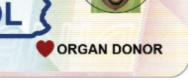
1. Organ Donor (DONOR)
This is one of the most widely recognized indicators.
When a license shows “DONOR”, it means the holder has chosen to be listed as an organ and tissue donor. In emergency or end-of-life situations, this marker helps medical professionals quickly understand the person’s wishes. Many people choose this designation as a personal decision rather than for any benefit. In most states, adding it is simple and does not involve extra fees.
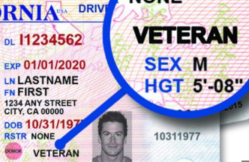
2. Veteran (VETERAN)
The VETERAN indicator is used to recognize individuals who have served in the U.S. Armed Forces.
Having this label on a license allows veterans to confirm their status without carrying separate military paperwork. In daily life, it may also help when accessing veteran-only services or discounts offered by certain businesses or state programs.
Availability and requirements depend heavily on the state.
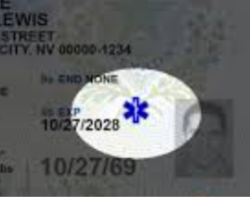
3. Medical Alert
TA Medical Alert indicator is designed for safety.
This marking tells first responders that the license holder may have a medical condition that affects communication or treatment, such as diabetes or epilepsy. If the person cannot speak for themselves, this small detail can help guide emergency care.
4. Vision Correction (CORRECTIVE LENSES)
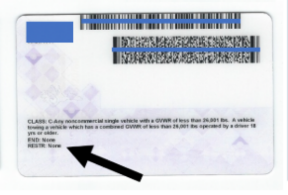
This is a common restriction printed on many licenses.
When “CORRECTIVE LENSES” appears, it means the driver is required to wear glasses or contact lenses while driving. It’s not decorative—it’s a legal condition tied to the license.
This indicator is usually added after a vision test and applies every time the person is behind the wheel.
5. Hearing Impaired
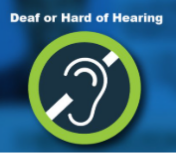
A HEARING IMPAIRED indicator is intended to improve communication.
It alerts law enforcement or officials that the individual may not hear verbal instructions clearly. This encourages the use of visual cues, written communication, or gestures during interactions, helping avoid misunderstandings.
6. Autism or Communication Impediment
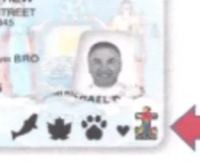
Some states now offer indicators such as “AUTISM” or “COMMUNICATION IMPEDIMENT.”
These markers are designed to inform officers or officials that the individual may respond, communicate, or behave differently under stress. The goal is to encourage patience and clearer communication during interactions, especially traffic stops.
This option is relatively new and not available everywhere.
7. Veteran Spouse (Available in Select States)
A few states offer a VETERAN SPOUSE indicator.
This designation helps spouses of qualified veterans show eligibility for certain benefits, access privileges, or discounts that extend to immediate family members.

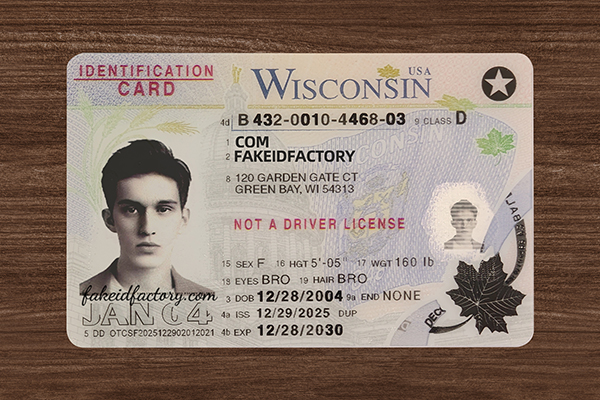
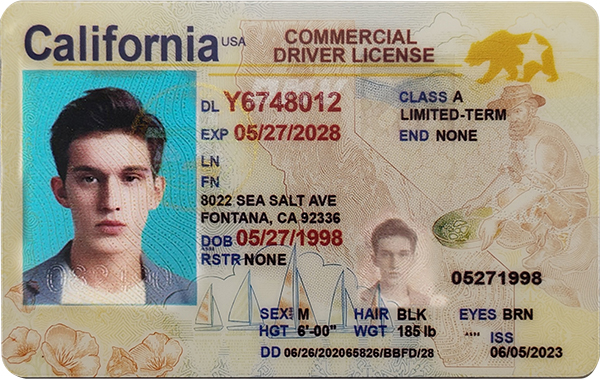
If you need special indicators or symbols displayed on your fake ID, you can simply select the options during checkout. Before production begins, our team will review your order details and confirm everything with you to ensure accuracy—so you can place your order with confidence.
If you’re unsure which options are right for you, or whether a specific indicator is necessary, you’re always welcome to contact our customer support team. We’re here to help you clarify the details before moving forward.


